
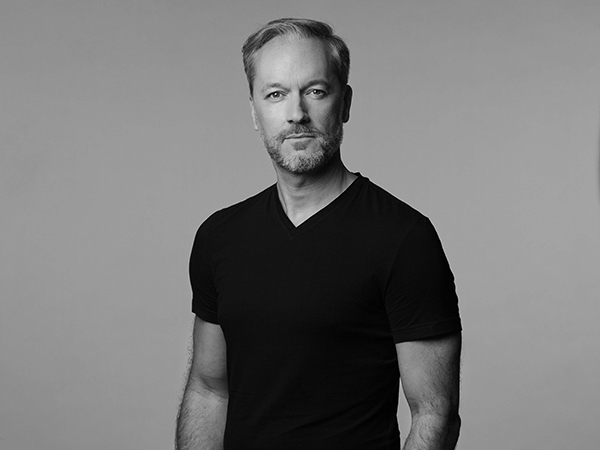
Patrick Speck: ‘Longevity is the ultimate sustainability trend’
Patrick Speck, leader at Lixil Global Design EMENA – Grohe's parent company – explains how the supplier is responding to major regulatory changes happening overseas, as well as why design and technology have to work hand-in-hand in today's market.
What would you say sets Grohe apart from some of the other brands in this market?
One of our key differentiators is having an in-house design team, something that is not common in our industry and we’re deeply proud of that. This unique setup enables us to create with intention and maintain a consistent design language across everything we do. At Grohe, we have a set of “creative tools” that go beyond just visual cues. They include our three brand design values: “easy, human, and performance”. That means every product must be intuitive to use, accessible, and meaningful in the way it interacts with people, and engineered to deliver at the highest standard.
Would you say Grohe focuses more on function or aesthetics in its products?
Design, technology, and function must work in harmony to create a meaningful user experience. Being technological and using technology just for the sake of it is something that we never want to pursue, because that gives the wrong message to our consumers. Our brand pillars are around design, quality, technology, as well as sustainability, so we need to bring them all together and package that experience into a functional, yet beautifully designed product.
Speaking of sustainability, we’ve heard a lot this year about the US’ plans to roll back product regulations on sustainable products. Do you think that’s a trend we’re going to start seeing in other countries?
I think regulation can play a positive role when it sets clear expectations and raises the bar for the entire industry. It challenges us to evolve, to innovate smarter. For example, if there’s something that’s going to be restricted, in this case, waterflow, we have to work harder with our technology to deliver a quality product so the consumer can have a good experience, all while keeping to the regulations. But on the other hand, there are some extreme cases where we cannot predict what might happen. This should really be a chance to have a discussion and encourage education about ways that we can somehow preserve resources in the best possible way.
Many have argued that its quite irresponsible to bring that legislation in because while most people might enjoy a more powerful shower, it’s not about the preferences of an individual, is it? It’s more about collective responsibility.
The market wants new things all the time, but we need to balance that with doing it in the right way
Yes, it is a collective responsibility. The right message to communicate is that comfort and enjoyment don’t have to come at the expense of sustainability. In the US, there are states such as California, where they have very strict regulations on water and due to that we don’t have a full product assortment but instead we design a particular solution tailored to the needs of that particular market and work within the regulations, without compromising performance.
So if you’re dealing with regulations like that, you must need to have products tailored to that specific market?
Absolutely. If a regulation limits a large head shower to flow to under five litres per minute, the experience can suffer, unless you rethink the engine. But the challenge for designers and manufacturers is finding a solution that feels luxurious yet still complies. Often, the answer lies in re-engineering the shower engine or innovating new flow patterns that maintain comfort while reducing consumption. The constraint becomes the catalyst for change.
What are some of the challenges from a design perspective that you’re seeing in the bathroom market right now?
If we’re talking about sustainable development, what we’re talking about is a rationalisation in our portfolio. We talk on one hand about doing more with less and that’s why I believe so much in what we are doing with customisation. Longevity for me is the ultimate sustainable design trend, in the sense that we make products that have to have a lifespan of 10 or 15 years.
But I understand on the other hand, that consumers also want to upgrade their spaces throughout the years to add that touch of individualisation, so rather than constantly launching entirely new lines, we also should offer adaptable elements – finishes, materials, components – that evolve with the user. And I think that’s the real opportunity within bathroom design currently. The market wants new things all the time, but we need to balance that with doing it in the right way, with product lines that target longevity but can still keep up with the design trends and consumer demand.