

Opinion: Do better – not more
Simply increasing your enquiries is a surefire path to growth, right? Not necessarily, says the Artizan Interiors director, who believes retailers need to worry more about their processes and personal touches than numbers alone…
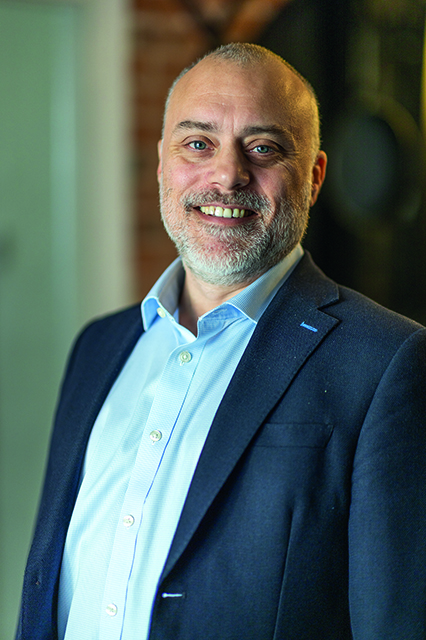
Words: Alex Zandona
With the industry now well into 2026, there are some genuinely positive signs around lead generation across the KBB retail sector.
For instance, many retailers are reporting healthier pipelines than this time last year, with better-quality enquiries and fuller diaries as we move through what should be a traditionally busy period for our industry.
That’s encouraging, but to grow we must maximise the lead bank.
When leads start to pick up, it’s easy to slip back into old habits: relying on automation, rushing appointments into the diary, and assuming that more enquiries will naturally translate into more business. In my experience, that assumption is where we often quietly lose momentum.
For most KBB retailers, real growth in 2026 won’t simply come from generating more leads. It will come from converting the ones they already have more effectively.
One of the biggest misconceptions I see is the belief that automation equals professionalism. Marketers are understandably keen on auto-response emails and automated follow-up sequences, and these certainly have their place. But customers can spot them instantly. They don’t make a client feel valued, understood, or wanted – they can make a business feel distant.
Human element
If a customer has taken the time to enquire about a major home investment, they deserve more than a templated email. In our view, direct, personal follow-up is essential, and a phone call still remains the most effective way to properly engage with a prospective lead.
It allows you to build rapport, understand intent, and demonstrate that you genuinely want their business. The first conversation is also an opportunity to show your knowledge and professionalism so that you can stand out from the competition. These human interactions are something no automated workflow can replicate.
Another common weakness is follow-up clarity. We talk a lot about chasing leads, but the real issue is often that the customer doesn’t know what happens next.
Every client should leave every interaction, whether that’s a call, an email, or a design presentation, with a clear understanding of the next step. When will we speak again? What decision needs to be made? Who is responsible for what?
This is where retailers need to be comfortable holding customers to account in the same way customers hold us to account. That doesn’t mean applying pressure; it means providing structure.
Clear next steps help clients make decisions and prevent opportunities from being left open-ended or drifting away, which also leaves an opportunity for a competitor to grab the momentum.
Respect
Finally, and perhaps most importantly, conversion improves when relationships improve. KBB retail isn’t transactional. Customers aren’t just buying furniture or appliances; they’re trusting us with their homes, their money, and often a fair amount of stress.
Building a relationship means getting to know them properly, understanding not just what they want to buy, but how they live, what matters to them, and what concerns they have. When customers feel heard and respected, both professionally and emotionally, trust builds. And trust is what turns an enquiry into a committed client.
As lead generation improves, the retailers who grow in 2026 won’t be the ones who simply get busier. They’ll be the ones who respond personally, communicate clearly, and build genuine relationships.
Growth, in other words, won’t come from doing more – but from doing better.