
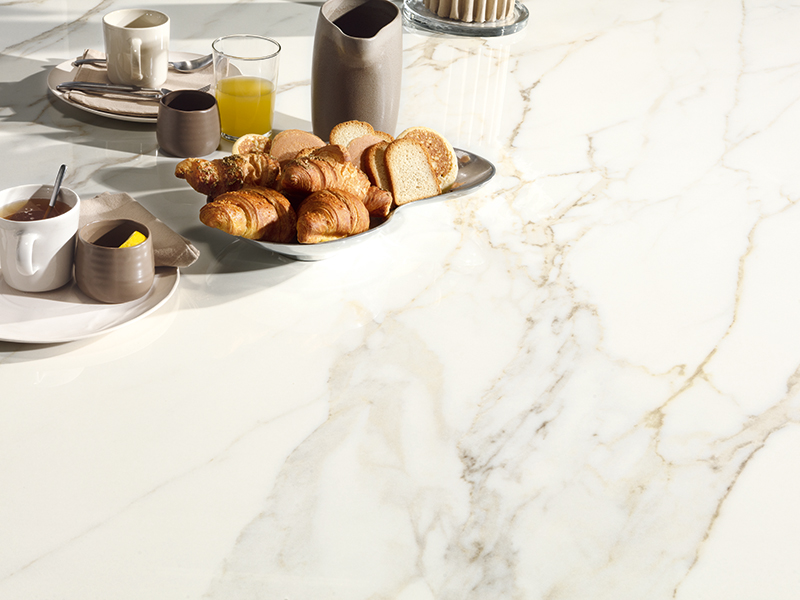
What are the major worktop trends for 2026?
Far from set in stone, the trends in the worktop and surface market are ever-changing and innovating at a rapid rate – especially over the last few years. With that in mind, what are the biggest market trends for 2026?
Words: Francesca Seden
Few elements have transformed the modern kitchen quite like the worktop. Once a purely functional choice, surfaces are now driving the overall aesthetic of the space, influencing everything from cabinetry colours to room layout.
Heather Eaves, trade partner manager at Guardian Ventures, distributor of Earthstone surfaces in the UK, says: “It’s the element that anchors the design, influences layout decisions and increasingly drives overall project value. And, this is understandable, given that this surface material might dominate the space, combining both countertops and splashbacks.
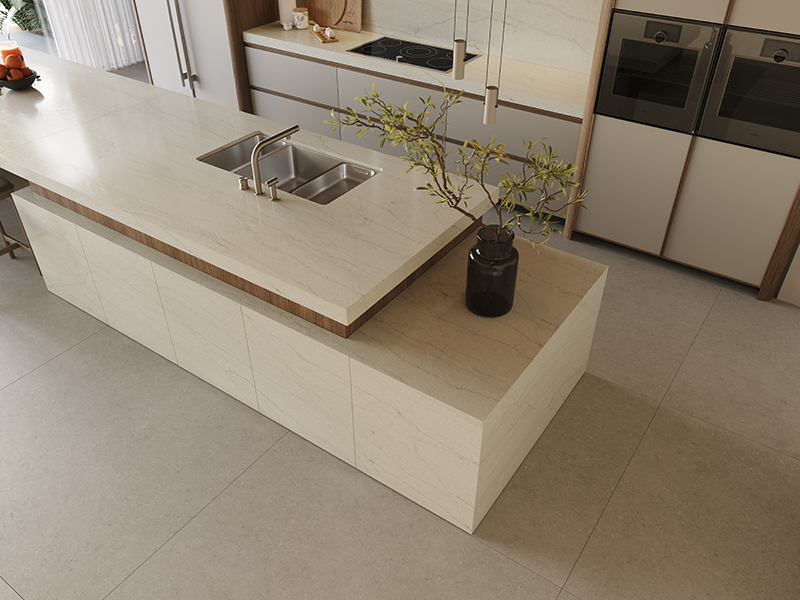
Homeowners are being increasingly bold with their worktop choices, which is well demonstrated by the soaring popularity of the heavily-veined and sometimes brightly-coloured Calacutta Viola, which, according to many of this year’s contributors, was the most popular worktop choice over the last 12 months.
Other trending worktops include Taj Mahal quartzite, which is more subtle but still impactful, and porcelain, along with polished concrete, which might be the perfect choice for sleeker, and modern kitchens. More budget-friendly options such as laminates have also come a long way and are therefore being considered more readily.
On the marble look, Salvatore Caruso, managing director of stone fabricator Classico Marble Ltd, notes that he has been seeing “a significant shift toward materials with bold veining and movement for a year or so now across all materials, from natural stone, quartz to even the latest high-tech porcelains, such as the Sapienstone 4D range that we are using on a lot of projects.”
Eaves adds: “We are seeing more customers wanting marble-style veining perfectly matched from the worktop into the splashback, creating a continuous, high-end finish. For retailers, this represents a clear commercial opportunity. Customers are no longer upgrading a single surface; they are investing in a complete aesthetic. More surface area, more design ambition and greater visual continuity all contribute to higher-value projects.”
Innovation
What makes all this possible is the consistent innovation within the surfaces market, where most of the major brands are innovating in different directions.
Caesarstone, for example, believes the UK worktop industry is entering a new era, driven by increased focus on respirable crystalline silica (RCS), evolving HSE guidance and rising demand for more responsible surface solutions. James Curtis, senior marketing manager at Caesarstone UK, says: “First launched in the UK in 2024, Caesarstone ICON was developed specifically for this changing landscape. Built on a crystalline silica-free foundation, ICON combines premium aesthetics, trusted durability and future-ready innovation in one complete surface collection.
“Featuring best sellers including marble-inspired classics together with contemporary textured finishes, alongside new designs only possible with the advanced formula, ICON delivers design without compromise,” Curtis adds.
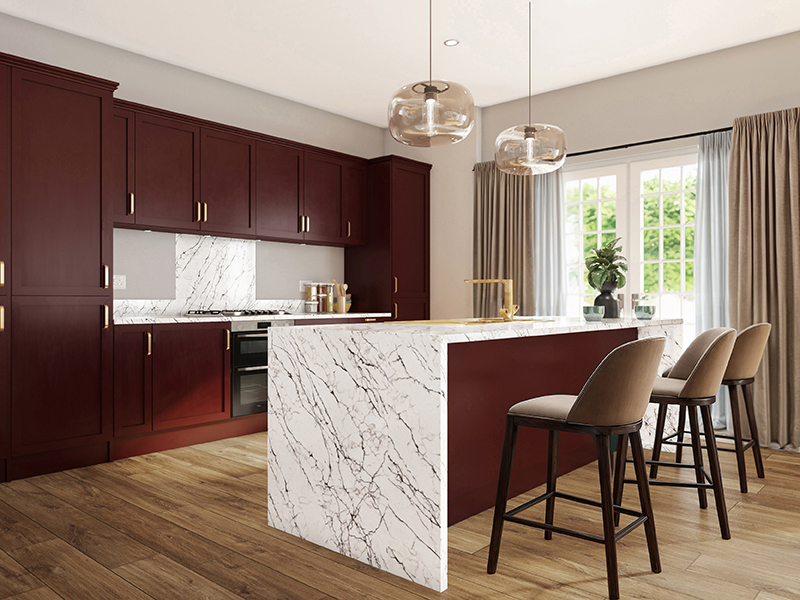
KönigStone too is following this line, with the launch of KönigZero, “a collection of 28 zero crystalline silica engineered stone surfaces designed to deliver the aesthetics and durability of traditional quartz while eliminating the health concerns associated with respirable crystalline silica,” marketing manager Joanne Bull says.
Aside from the more traditional materials, polished concrete has grown to become “one of the most desirable finishes for the home”, according to Izzy Taylor-Wood, managing director of Woody’s Concrete Company. “Durable, versatile and undeniably stylish, polished concrete brings a sense of calm to interiors whether the surroundings are minimalistic sophistication or warm, textured layers.”
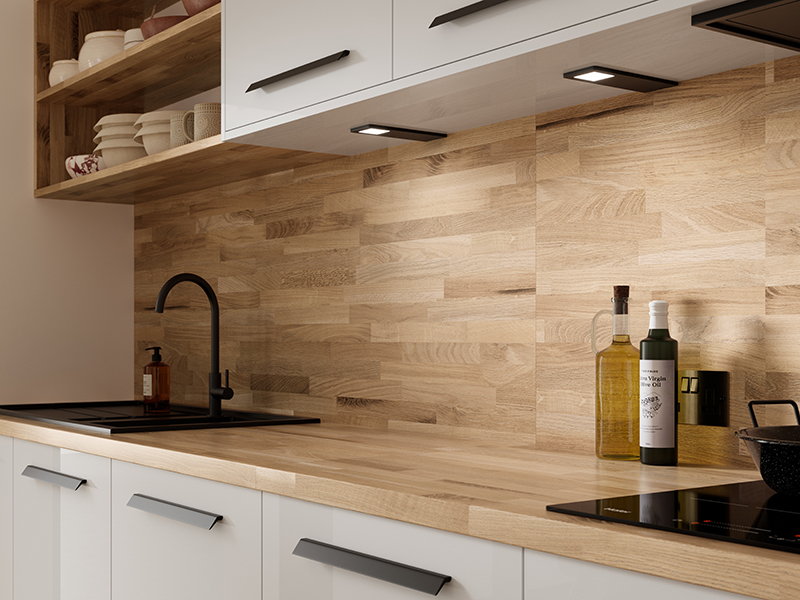
Another area which has seen significant evolution is laminates, according to our experts from both Symphony and Bushboard, “with manufacturers pushing both aesthetic and technical boundaries,” design manager for Symphony, Josie Medved says. “Today’s laminate worktops are a far cry from earlier iterations – advances in printing and embossing technologies mean designs are now incredibly realistic, closely replicating the depth, texture and visual nuance of natural materials such as wood, stone and marble,” she adds.
Recent introductions into Symphony’s worktop collection such as Porterhouse Oak highlight this shift, offering rich, contemporary finishes that meet growing demand for bold yet authentic-looking surfaces, Medved says. These developments are being driven by consumer appetite for high-end aesthetics at more accessible price points, as well as the need for durable, low-maintenance solutions suited to modern living.
Bushboard product lead Emma-Louise Braham echoes this point, adding that the evolution reflects the way kitchens and living spaces are now used, often as busy, multifunctional environments where surfaces must perform as well as they look.
“Alongside this, aluminium composite splashbacks are growing in popularity, offering a sleek, contemporary aesthetic combined with heat resistance and simple, low maintenance cleaning.”
Counter considerations
Thinking about the key things that retailers and designers should be considering, lifestyle and the make-up of the household come pretty close to the top of the list – a high-maintenance surface like marble or polished concrete might not be suitable for a family with young children where spills are more likely. It’s also essential to educate your customers with full frankness and transparency about the pros and cons of the different material options available – considering the long-term durability and the aesthetics.
Apart from the technical properties of the surface itself, homeowners may also be interested in other credentials, such as the sustainability of the material, or a long, or lifetime warranty, for peace of mind. As well as a warranty, quality marks offer great reassurance, and The Worktop Fabricators Federation has just announced the launch of its own. This new WFF Quality Mark initiative has been specially designed to elevate standards, improve workplace safety, and strengthen professionalism across the sector.
Installers and stone fabricators are often in high demand, so it might be the case that the client will go for something they know is easier to install, to get their project finished in the desired time frame. Konigstone’s Bull notes how ease of fabrication and installation do play a significant role, and adds that materials which offer consistency and ease of handling can help streamline production, reduce waste and support more efficient installations.
“From a retail perspective, this translates into greater confidence in specifying products, fewer post installation issues and a smoother journey for the end customer,” she concludes