Resilience 2026: Dominic Worsley from Rangemaster
There aren’t many companies in this industry with a history as long as Rangemaster. According to MD Dominic Worsley, part of the key to its longevity is having the bravery to try new things every once in a while…
Listen to a full interview with Dominic Worsley on a special episode of The kbbreview Podcast. Listen NOW using the player below or go straight to this episode in Apple Podcasts, Spotify or Youtube. Alternatively, simple search ‘kbbreview’ wherever you get your podcasts.
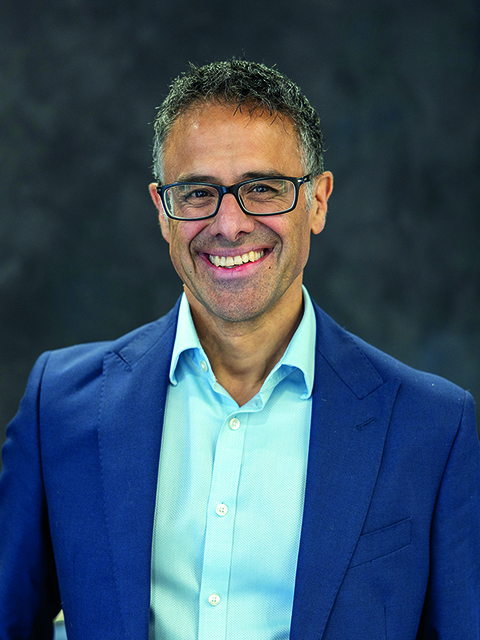
Rangemaster has been making products in Leamington Spa for nearly 200 years. We’ve gone through many guises during that time, but we’ve always been focused on range cookers.
We’ve been producing AGA cookers for over 80 years, and we’ve spent 60 years manufacturing in Telford. It’s a long heritage, and one we’re very proud of.
Although there’s a lot of uncertainty in the wider market, we’re thankful that we’re doing quite well. We’re generating double-digit growth and we’re benefiting from the investment we’ve made in the Rangemaster brand over the last year. The TV campaign we launched last year has continued to perform well, but we’re also seeing a swing in consumer taste back towards a more traditional, warmer, lived-in kitchen centred around a range cooker.
The category is still much smaller than built-in appliances, but it’s definitely growing. We played a part in that growth, but we’re benefiting from it too. Q1 was particularly strong, quarter two has slowed slightly but we’re still growing, and our outlook for the rest of the year remains positive.
For AGA, it’s a different challenge. Nothing had really been done with the brand for so long that there’s a big education piece. We’re introducing a new generation of consumers to the benefits of the AGA cooker, and so far that’s working well.
Slippery slope
Looking back over Rangemaster’s history, we’ve survived economic crashes, Brexit, Covid, supply chain disruption and everything else that’s been thrown at us. But I think the biggest asset is having the confidence to deal with those challenges. There’s a huge depth of resilience in the people here and a collective belief that we can solve problems.
At the same time, I think you’ve got to stay focused on what you’re good at and not get diverted. We’ve done a lot of research into why people buy Rangemaster, and we know they look to us because they want a product that lasts. That means it’s more important for us to invest in improving quality and performance than to compromise the product.
It’s very easy when costs rise to start cutting corners, but that’s a slippery slope. You’ve got to double down on the things that genuinely differentiate your product.
I’d say resilience looks very different today to what it did ten years ago. Historically we’ve become very good at firefighting, because we’ve had to. But while firefighting is a skill, you can spend so much time solving today’s problems that you never improve tomorrow’s processes.
Instead, we’ve invested heavily in the factory, introduced new production lines and now we’re focused on embedding really strong processes, and we know that’s what will give us resilience in the future. We want to keep the ability to respond to crises, but also become consistently better at making great products every day.
At the same time, one of the most important discussions we’re having at the moment is around how we can best balance efficiency with resilience, particularly when supply chains can be so unpredictable. For instance, In the past you might have buffered against disruption by carrying lots of inventory, but that can become inefficient over time and really reduce your agility.
For us it’s about building really strong relationships with suppliers. Communication with suppliers is just as important as communication with retailers because they need to understand our strategy too. The stronger those relationships become, the less we need to rely on buffers while still maintaining resilience.
We’re constantly looking at where risks exist, where we need secondary supply and whether suppliers can actually support the demand we’re creating, and it’s always a balancing act.