
While acknowledging that Artificial Intelligence will undoubtedly bring new opportunities for installers, The British Institute of Fitted Interiors Specialists (BIFIS) has also warned that the technology risks “opening the floodgates to unskilled labour” if the industry does not invest in clear standards.
BIFIS says that with roles in the office-based administrative sectors coming under increased pressure due to the prevalence of AI, it believes that vocational careers such as KBB installation could become much more attractive to workers. This could also be a partial solution to the persistent skills shortage, where the sector has struggled to attract fresh talent in recent years.
As evidence, BIFIS cited the World Economic Forum’s Future of Jobs Report 2025, which reported that 22% of jobs are predicted to be disrupted by 2030. Additionally, BIFIS also pointed out recent comments made by high-profile computer scientist Geoffrey Hinton, who has warned that AI is likely to replace so-called “intellectual labour”, and suggested that hand-on trades may prove to be more resilient against disruption in the long-term.
Despite this, BIFIS also warned that AI technology will only benefit the industry at large if it is backed by “structured training, effective supervision and clear standards”.
The organisation says that without this, the industry “risks opening the floodgates to unskilled labour at precisely the moment consumer expectations around quality, safety and professionalism are rising”.
BIFIS says the sector could suffer industry-wide reputational damage as a knock-on effect of “poor workmanship, inadequate technical knowledge and a lack of understanding around compliance”. To combat this, The Institute has urged manufacturers, retailers, training providers and installation businesses to collectively invest in structured training, recognised standards and meaningful development pathways.
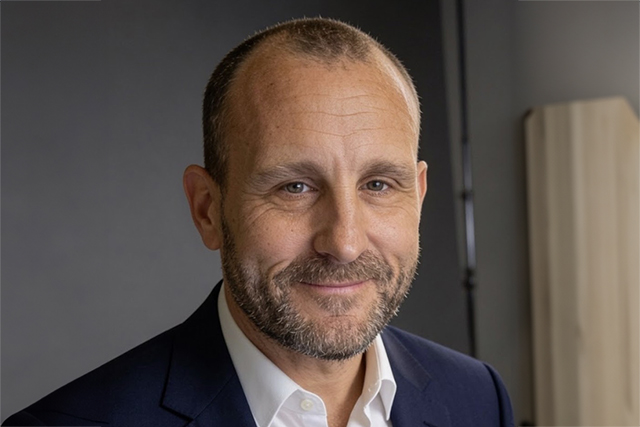
“Artificial Intelligence is set to transform the employment landscape far more quickly than many people expected, and that will inevitably force workers to rethink what long-term career security looks like,” commented Damian Walters, CEO of BIFIS.
“For the fitted interiors industry, that presents a genuine opportunity. Careers in kitchen, bedroom and bathroom installation offer something many AI-exposed roles cannot: practical problem-solving, craftsmanship, customer interaction and real-world delivery. These are valuable human skills, and we should be confident in presenting our sector as a serious and rewarding career destination.
“But opportunity on its own is not enough,” Walters continued. “If more people are drawn toward vocational careers because AI is making other roles less secure, then industry must be ready to meet that interest with proper learning and development opportunities. That means clearer entry routes, better promotion of apprenticeships, accessible training programmes, mentoring, and ongoing professional development that helps people build competence as well as confidence.
“If we get that right, we can help address the skills gap while protecting standards and strengthening the reputation of our industry. If we get it wrong, we risk attracting people in without giving them the tools, support or accountability needed to succeed.
“[Tradespeople] must rethink your own strategies moving forward too. With the imminent arrival of a new wave of competition on the not-so-distant horizon, how will you ensure your experience is visible, valued and validated? Ultimately, that’s what BIFIS is here for.”
On a related note, last month BIFIS published its ambitious Vision 2030 manifesto, which outlines the organisation’s roadmap to address major industry-wide challenges over the next five years, which includes the skills gap, compliance, sustainability and standards.