
Interview: kbbreview Retailers of the Year
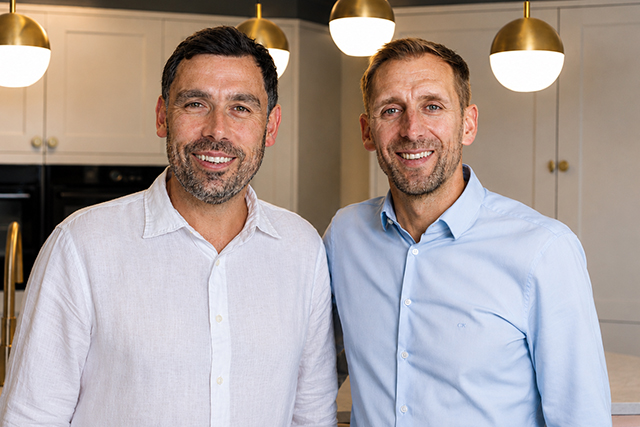
One may be a multi-year winner, and the other a first-time trophy taker, but both Darren Walker and Ben Setterfield are clearly at the top of their game. Despite their differences in scale, what do they both agree makes for a successful independent retailer in 2026?
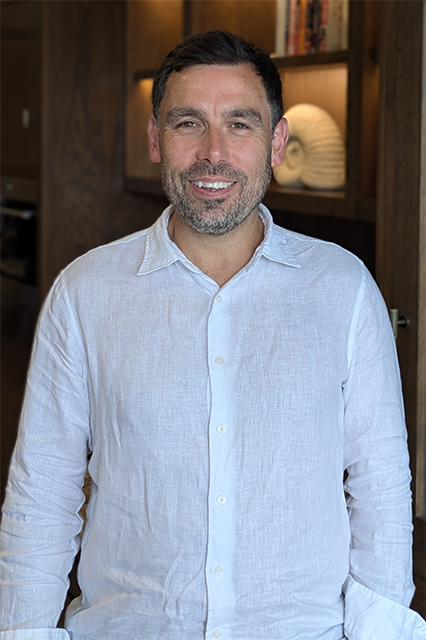
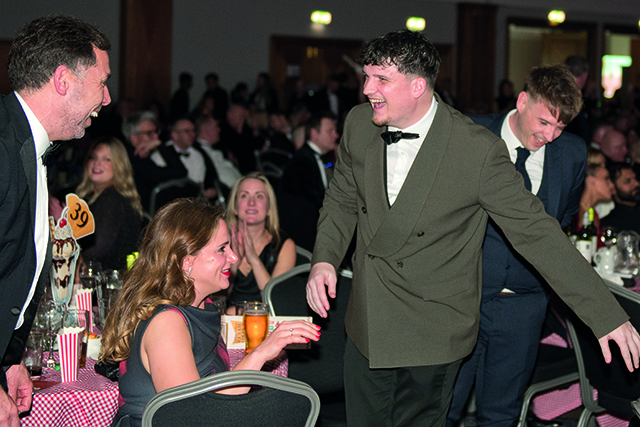
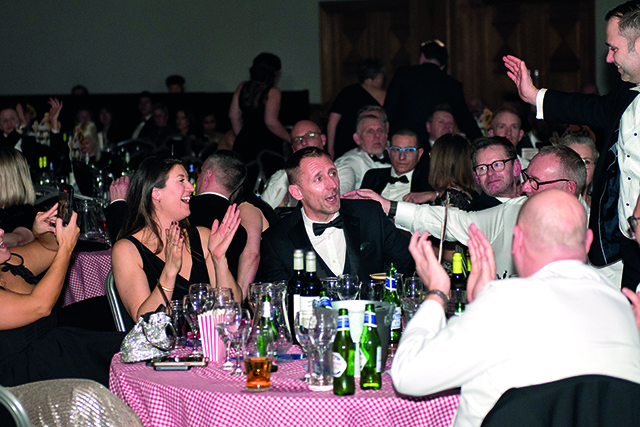
You can always tell the story of the kbbreview Retail & Design Awards through the pictures of the winners as they hear their name from the stage. For some it’s beaming smiles, for others, like Darren Walker from Laings in Inverurie, it was wide-eyed shock.
Given that the business has won the Kitchen Retailer of the Year trophy twice before – and the Bathroom Retailer of the Year an incredible five times too – some would say that look of shock was a surprise in itself.
In fact, since the awards began 33 years ago, Laings is joint top on the list of overall wins with fellow Scottish specialist Kitchens by JS Geddes.
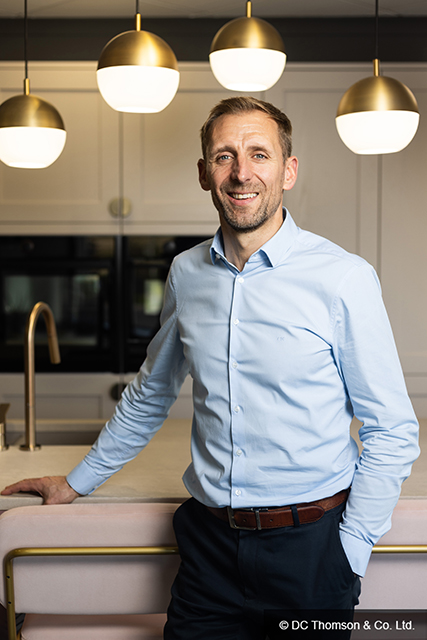
For Ben Setterfield, the owner of Bathroom + Kitchen Eleven, the images following its announcement as Bathroom Retailer of the Year 2026 also tell a story. His team are hugging each other and grinning in joy – it is their first win and a validation that they have made it together.
From a 164-year-old Scottish retail institution to a highly curated Surrey design studio, Laings and Bathroom + Kitchen Eleven might look like very different businesses on paper. But when Walker and Setterfield sat down together it quickly became clear they share the same mindset.
Both are fiercely focused on customer experience. Both obsess over margins, service and process. And both believe independence still offers something the wider market cannot replicate: authenticity, accountability and genuine expertise.
Laings employs more than 80 staff across retail, trade and commercial projects. Bathroom + Kitchen Eleven, meanwhile, has built its reputation through a much smaller but highly specialised premium model centred around wellness-led bathrooms, handmade kitchens and a tightly controlled supply-and-fit service.
Despite the differences, the pair are reassuringly aligned on what makes a successful independent showroom in 2026. Neither believes growth should come at the expense of quality. Both measure almost everything in their businesses. And both are convinced the future belongs to retailers who can combine strong systems with deeply personal service.
Setterfield nods as Walker sums it up for both of them: “We just want to be the best at what we can be.”
Interview
First of all, congratulations to both of you again. Does it feel like a big moment when your name gets read out?
Walker: Definitely. In fact, this year was probably more of a surprise than ever because we’ve been successful previously, so I genuinely thought it would be somebody else’s turn. There was definitely a moment where it took a while to sink in.
Setterfield: For us, it meant a huge amount because it was a team award. We’ve won design awards before, but they’ve often been individual achievements. This felt completely different because the whole team was involved. Everyone was there together and it gave the business a massive lift afterwards.
You’re very different businesses in terms of scale and history. Darren, give us the quick overview of Laings.
Walker: We’re based in Aberdeenshire and operate across Scotland. We work across retail, trade and commercial sectors including housebuilders, architects and hotels. We’ve got around 82 staff, including about 20 employed installers, and we cover kitchens, bathrooms, bedrooms and tiles. The installation side is hugely important for us because we want to control the whole customer journey from start to finish.
And Ben, how would you describe Bathroom + Kitchen Eleven?
Setterfield: We’re very much focused on premium supply-and-fit projects. We specialise in wellness-inspired bathrooms and handmade kitchens that are produced in our very own joinery shop. We’ve got four connected showrooms and operate entirely by appointment, which is something we introduced during Covid and decided to keep because customers really value the experience. We’re a smaller team of around 20 people, but we’re very focused on offering that fully project-managed, end-to-end service.
The awards judges are specifically asked to focus on the 12 months up to the closing date. What do you think really stood out over that period?
Walker: One of the biggest projects was launching our “House of Laings” concept in the showroom. We created three mini homes inside the space, each aimed at a different customer profile. One was targeted at first-time buyers, another at families and the third at downsizers. It allowed customers to see how kitchens, bathrooms and living spaces could flow together as a complete home solution.
That project became part of our TV advertising too, so it was a major piece of work for us. Beyond that, there’s always lots happening – exhibitions, charity work, showroom improvements, commercial projects – and sometimes you don’t realise how much you’ve actually achieved until you sit down and review the year properly.
Setterfield: We’re obviously operating at a different scale, but for us it’s about constant incremental improvements. We invested heavily in the showroom, particularly our wellness area, and we’re continuing to expand the kitchen offering within that space.
But I think what probably stood out to the judges was our culture and our focus on continually improving the customer experience. We’re not a huge team, but we’re very effective and very aligned. Everyone genuinely wants to keep pushing standards higher.
There’s a really strong common theme here around continual improvement. Is that the key to longevity as an independent retailer?
Walker: Absolutely. Every year we’re trying to improve the service slightly, improve the processes slightly, reduce errors slightly. We measure everything because if you don’t measure it, you can’t improve yourself. But it’s also about culture and having a team that genuinely cares about the customer outcome.
Setterfield: I completely agree. We’re constantly looking at marginal gains. It’s never about standing still. I think if you stop improving, you fall behind very quickly now because customers’ expectations keep rising all the time.
The market remains pretty challenging in lots of areas. How are you reading it right now?
Setterfield: It’s definitely tough in places, but interestingly, most of the premium independents I speak to still seem relatively buoyant. There are still customers out there who want to invest in their homes and who value the level of service we provide. We’ve deliberately doubled down on the premium end of the market over the last few years.
We stopped doing supply-only work entirely, which was a massive decision for us because it represented around 20% of our turnover at one point. But focusing entirely on the higher-end, project-managed customer has really helped us sharpen the business.
Walker: We’ve seen something similar. I’d say the commercial side has been more difficult because of the wider economic situation and higher borrowing costs, but the mid-to-premium retail customer has remained much more resilient.
In the north-east of Scotland specifically, the energy sector has also been affected quite heavily recently, which impacts confidence locally. But despite that, we’re still ticking along reasonably well and continuing to invest in the business.
You both clearly monitor your businesses very carefully. What are the key numbers you focus on most?
Setterfield: Gross margin is probably the biggest one for me. Understanding your margins properly is absolutely critical because otherwise you can end up working incredibly hard for very little reward.
Inquiry volume is another huge metric because our conversion rate stays fairly stable, so if inquiries increase, the business generally follows. One of the most interesting numbers for us recently was discovering that around 72% of our business came from referrals, recommendations or returning customers. That really changed how we think about marketing and customer relationships.
Walker: We probably measure almost everything – footfall, leads, conversion, workload, margins, error rates, customer feedback, supplier performance. Every department has targets and measurements. We’ve spent a lot of time over the last few years reducing error rates, for example, and that has a direct impact on profitability and customer satisfaction.
Where do you see the biggest opportunities for your businesses over the next few years?
Setterfield: For us, the biggest opportunity is definitely kitchens. The bathroom side of the business feels really established now, but kitchens still feel like a huge growth opportunity. There’s still so much potential there in terms of processes, systems and awareness.
But I don’t personally have ambitions to open multiple showrooms. I’m very happy focusing on making this business the best it can possibly be. I think if we expanded too aggressively, there’s a risk the service could become diluted.
Walker: We’re seeing a lot of natural growth in bedrooms at the moment. Often customers who’ve already used us for kitchens or bathrooms are now asking us to do additional rooms as well.
We already have a bedroom offering, but it’s definitely an area we think we can develop further. We’re also constantly looking at technology and systems. AI and automation are moving incredibly quickly, so we’re exploring how those tools can help make the business more efficient.
Do you think independent retailers still have a strong future as the industry evolves?
Setterfield: Completely. I don’t see AI replacing independent showrooms at all because customers still want actual people. They want accountability, expertise and reassurance. AI might help businesses become more efficient from an operational perspective, but it won’t replace human relationships or skilled installation teams.
Walker: I agree. During Covid, we found customers didn’t really want virtual appointments – they waited until the showroom reopened because they wanted to physically come in and speak to people. That was a really positive lesson for us.
I think independents are strongest when they focus on service because that’s something you can control completely yourself. The biggest challenge is probably just managing rising costs and maintaining profitability as everything becomes more expensive.
Finally, if a new independent retailer asked you for one piece of advice, what would it be?
Setterfield: Know your numbers properly. That’s probably the biggest lesson I learned the hard way. You need to understand your margins, your overheads and exactly what your business needs to make in order to be profitable. It sounds boring compared to design and showrooms and products, but without that foundation, nothing else matters.
Walker: I’d say exactly the same. Measure everything and keep improving your service. Listen carefully to customers and continually refine what you do. That’s what builds long-term success.