
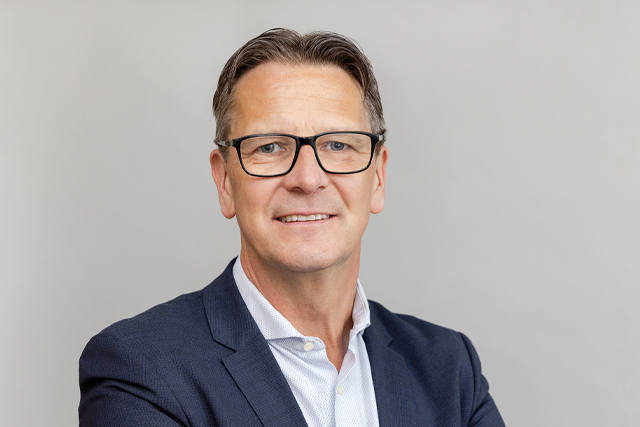
News Profile: Tomas Dahlman, AEG
Electrolux Group and AEG’s head of group environmental sustainability, Tomas Dahlman, believes connected appliances and practical consumer benefits – rather than green messaging – will shape the next generation of kitchen design.
For more than 25 years, Tomas Dahlman has worked on environmental sustainability across Electrolux Group. During that time, the conversation has shifted dramatically, from focusing almost exclusively on environmental credentials to finding ways of making sustainability feel almost invisible to the consumer.
That change, he believes, is one retailers should recognise too. “Years ago we talked a lot about the environment and sustainability,” he says. “Today, it’s much more about features. Energy efficiency means lower energy bills. Water efficiency means lower water bills. Reliability, repairability and service all bring benefits over the lifetime of the product.”
It’s a subtle but important distinction. While sustainability remains central to product development, Dahlman says homeowners are rarely walking into a showroom specifically looking for a sustainable appliance. Instead, they’re looking for products that are easier to live with, cheaper to run and designed to last.
That shift also means challenging some of the assumptions consumers still hold about energy-saving features. “Historically people believed eco programmes took too long or didn’t clean properly,” he says. “The reality is the opposite. You still get excellent cleaning performance while using less energy and water.”
For Dahlman, that’s part of a wider challenge facing manufacturers. Rather than expecting consumers to actively change their behaviour, products should be designed to make better choices almost automatically.
Ease of use is a recurring theme for Dahlman, whether that’s appliances that communicate with one another, intuitive interfaces or connected technology working quietly in the background. “We want sustainable living to be effortless,” he says. “If using the product becomes complicated, there’s a risk people simply won’t use those features.”
That philosophy is shaping the next generation of connected appliances. Instead of connectivity being viewed as another smart feature, Dahlman sees it becoming a practical tool that helps consumers save energy, reduce waste and extend product life.
Product Innovation
Electrolux internally describes this approach as making ‘the product better, not older’.
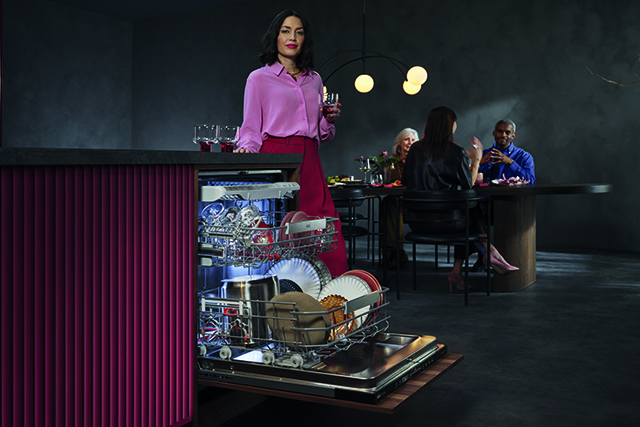
Connected appliances can receive over-the-air software updates, adding new programmes long after installation, while remote diagnostics can identify faults before an engineer arrives, reducing unnecessary service visits.
The technology can also help households optimise everyday use. Washing machines could recommend lower wash temperatures, refrigerators could prompt users to adjust settings for better food preservation, while cooker hoods could remind owners when filters need replacing to maintain efficiency. “The product can nudge you towards using less energy without you having to think about it,” Dahlman explains.
For retailers, however, translating those benefits into showroom conversations isn’t always straightforward. Dahlman believes the safest approach is to focus on measurable facts rather than broad sustainability claims.
Products can nudge you towards using less energy without you having to think about it
Tomas Dahlman, Electrolux Group and AEG’s head of group environmental sustainability“The evidence we can communicate is what’s shown on the energy label and the water consumption figures,” he says. “Beyond that, connected features depend on how the consumer uses the product, so we have to be careful to stay fact-based.”
Dahlman expects water efficiency to become an increasingly important consideration alongside energy consumption, particularly in markets such as the UK where concerns around water shortages continue to grow.
He points to Electrolux Group’s involvement in the 50 Litre Home Coalition, a collaborative project aiming to dramatically reduce domestic water consumption by combining efficient appliances, taps, showers and household products within the same home. “What I find interesting is that it looks at the whole home,” he says. “It’s not just about appliances. It’s about how every product contributes to reducing water use.”
The bigger opportunity for retailers may lie in how all these technologies come together. As kitchens continue to evolve into open-plan living spaces, Dahlman believes appliances will need to become quieter, better integrated and increasingly connected. “The kitchen is no longer a room that’s hidden away,” he says. “It’s part of the living space, so products need to fit naturally into that environment while making life easier.”
He also believes the industry should focus less on persuading consumers to be sustainable and more on removing the effort altogether. “I’d like to see the transformation happen faster,” he says. “Connectivity, AI and integrated systems can help people live more sustainably without constantly thinking about it.
“If we can make sustainability effortless, that’s when we’ll see the biggest impact.”