
Business advice: Lessons learned from a major rebrand
While rebranding your business can be an exciting process, for some retailers, the challenge of rethinking your entire brand identity from scratch is a horrifying idea fraught with missteps. But after helping Claremont Interiors’ with a major rebrand, marketing consultant Jess Inglis says it has really given the business a new lease on life.
Words: Jess Inglis
For any established business, rebranding can feel like a big decision. When you’ve spent decades building trust, building a reputation and growing through word of mouth, there’s always the question of whether changing anything could risk losing what customers already know and value about you.
As a family-run business with over 40 years of experience designing, manufacturing and installing bespoke kitchens, bedrooms and fitted furniture, we’ve always been incredibly proud of the reputation we’ve built.
Many of our customers come to us through recommendation, and we’ve been fortunate to work with generations of families across Sussex and beyond.
But over the last few years, we reached a point where we felt our business had evolved significantly and our branding no longer reflected who we are today. The business itself had grown, our offer had expanded, our customer experience had developed, and with a brand-new workshop and showroom underway, we knew we were entering an exciting new chapter.
It felt like the right time to pause, take stock and ask ourselves: does our brand truly represent the business we’ve become and where we’re heading next? The honest answer was, not quite.
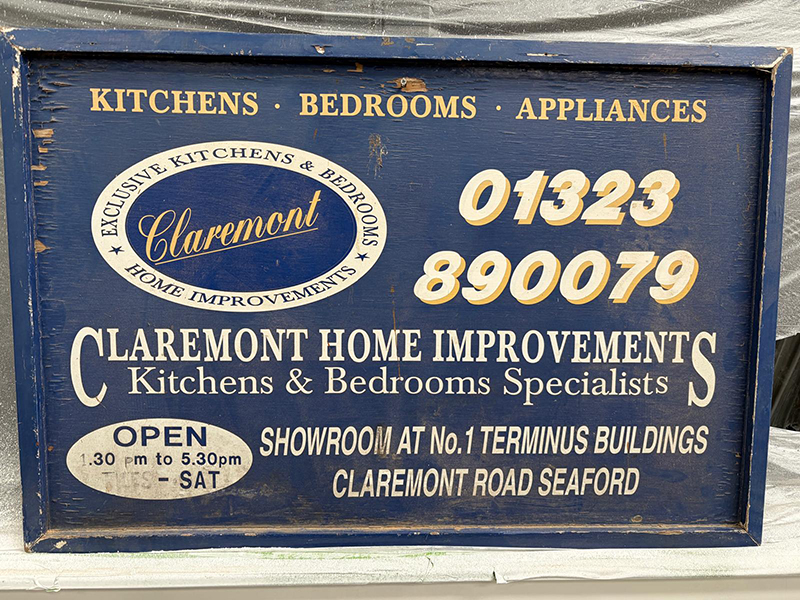
Our previous branding had served us well for many years, but as the business evolved, it no longer felt aligned with the level of craftsmanship, service and design detail we were delivering.
Claremont has always been about more than kitchens. Alongside bespoke kitchens, we design and manufacture fitted bedrooms, along with media units, home offices, boot rooms, utility spaces and custom furniture – all tailored around individual homes and lifestyles.
Over time, we found that many people still associated us with one part of the business, rather than understanding the full scope of what we offer. At the same time, customer expectations have shifted.
People are often discovering businesses online long before they make contact. They browse websites, save inspiration on social media, explore project galleries and start building trust before they ever pick up the phone.
Because of that, we wanted our branding and online presence to feel clear, cohesive and reflective of the experience customers receive when they work with us in person. Essentially, to come across as warm, personal, high-quality and considered. In that way, the rebrand wasn’t about changing who we are. It was about presenting the business more clearly and confidently and making sure every part of Claremont felt aligned.
Practical questions
Before looking at logos or colours, we spent time defining what Claremont really stands for. That meant asking practical questions.
What makes customers choose us? What do we consistently hear after projects are completed? What do we do differently to larger national retailers? How do we want people to feel when they interact with our business?
When considering all of this, the same themes kept coming up; customers value that we’re approachable, they appreciate that everything is genuinely bespoke, they trust that we manufacture ourselves and manage projects with care, and they love working with a team who understands both design and practicality.
That gave us a strong foundation.With all of that in mind, we wanted the refreshed brand to feel established, but modern, while also being premium and approachable. Alongside that, we wanted to show how we were a creative company, as well as warm, personal and genuinely bespoke.
From there, we began refining the visual identity. The aim wasn’t to make dramatic changes for the sake of it – instead it was about creating consistency.
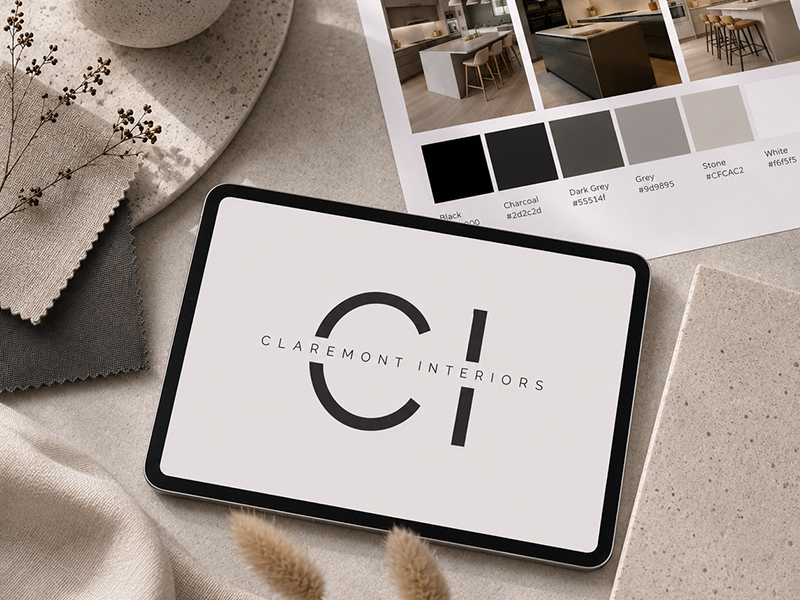
We also introduced a cleaner, more refined logo, refreshed our supporting brand elements and carefully considered how the business would appear across every touchpoint, from social media and printed materials through to signage, digital content and the showroom itself.
One of the biggest things to focus on was making sure everything felt connected – we wanted someone seeing a project online, visiting our website, walking into the showroom or speaking to our team to experience the same complete sense of professionalism and care throughout the process.
That consistency matters, particularly in the KBB industry, where customers are making significant investments and inviting you into their home. In my eyes, A strong brand doesn’t replace craftsmanship or great service, but it does help build trust and confidence from that very first interaction.
A major part of the rebrand has also been our digital presence. Alongside the visual refresh, we launched the first phase of a brand-new website designed to better showcase who we are and what we create. The aim was to make it easier for customers to explore kitchens, bedrooms and fitted furniture in one place, understand our process and get in touch whenever it suits them.
We made the decision to introduce direct appointment request bookings online, which has already been a really valuable addition. For a busy family-run business, making it easier for customers to take that first step has had a massive impact already.
Speaking of digital, social media has also become a much bigger focus for us post-rebrand.
Historically, many of our projects came through recommendation and that remains hugely important, but sharing more of our work online has allowed us to reach new customers, show more of the behind-the-scenes craftsmanship and bring people along with us as the showroom takes shape. The combination of brand, website and social content has helped everything feel more aligned.
However, one of the biggest concerns we had heading into the rebrand was making sure we didn’t lose the heritage behind Claremont.
We’re proud of our history – we’re a long-standing local business that has built true relationships with customers over the years. That needed to stay.
So for us, the rebrand was never about becoming something different – it was about presenting the business with more clarity and confidence. Taking everything customers already value and giving it a stronger platform moving forward.
That balance felt incredibly important, because whilst trends come and go, trust, quality workmanship and personal service remain at the heart of what we do.
Back to basics
Looking back, one of the biggest lessons for us has been that rebranding doesn’t have to mean changing everything overnight. It can simply be about slowing down, going back to basics and taking the time to really understand your business, your customers and the experience you want people to have from the very first enquiry through to the finished project.
For us, the rebrand has been just as much about refining the customer journey as it has been about refreshing the visual identity. We wanted to look carefully at every touchpoint – from how customers first discover us online, through to booking an appointment, visiting the showroom, reviewing designs and eventually seeing their finished space come to life.
It was important that every part of that journey felt clear, considered and genuinely aligned with the level of service we aim to deliver.
One of the biggest things we’ve learned throughout the process is the value of taking your time and getting the foundations right. There can often be pressure to have everything launched and completed all at once, but for us it felt far more important to make thoughtful decisions, build things properly and allow the brand to evolve naturally around the business.
We also learned how important it is to work with the right people throughout that process – people who genuinely understand your business, your values and what you’re trying to achieve. Having that shared understanding makes such a difference and helps ensure every decision feels true to the business you’ve built.
We’ve also found that customers really appreciate honesty and transparency. Bringing people along with us, sharing progress, communicating clearly and being open about the exciting changes happening behind the scenes has created a real sense of connection. Whether that’s through our digital presence, updates on the new showroom or simply conversations with customers, people genuinely value seeing the journey and understanding the thinking behind it.
There’s still more to come, and that’s been an important part of the process too. Rebranding such a long-established business doesn’t simply happen overnight, and we’ve always been mindful that it needed to feel considered rather than rushed.
We still have exciting plans ahead for Claremont over the coming months, particularly as our showroom continues to take shape and more elements of the brand come to life.
For now, what feels most important is that everything behind the scenes is aligned and moving in the same direction. We’ve taken the time to create strong foundations across the business and are working hard to make sure every touchpoint reflects the same level of care, detail and consistency.
Our focus throughout the next stage is continuing to build on that, with the aim that by 2027 the full Claremont rebrand will feel completely established across every part of the business.