

kbbreview Adopted Retailers: What 2026 has taught us
Three retailers, one roundtable and a year of highs, lows and lessons learnt. As our 2026 Adopted Retailer series comes to a close, we bring our trio together to reflect on the challenges and wins of the past 12 months, share what they’ve learnt and look ahead to 2027.
When we began following our Adopted Retailers at the start of the year, all three businesses were at very different stages of their journey. Since then, we’ve seen plenty of change, from new staff and showroom makeovers to some hard lessons about just how unpredictable running an independent KBB business can be.
At Warrior Bathrooms in County Durham, Craig Marron and Sarah Pickard have gone from refining their displays and rethinking their marketing to preparing for another pair of hands in the showroom.
For Charlie and Alex Braidwood at Church Farm Kitchens in Worcestershire, a difficult start gave way to a packed order book, as they found new opportunities in their joinery skills and grew more confident in the kind of business they wanted to build.
Meanwhile, Artis Bathrooms’ Tim Haddock and Lizzie Mason have gone from winning New Bathroom Retailer at the kbbreview Retail & Design Awards to expanding their showroom and putting the systems in place to support further growth.
Their stories have taken different turns, but each has brought its own challenges, unexpected wins and lessons along the way. So, with the year drawing to a close, we’ve brought the three retailers together to compare notes on what 2026 has taught them – and what they all hope to achieve going forward.
Looking back over the past 12 months, what has been the biggest high for your business?
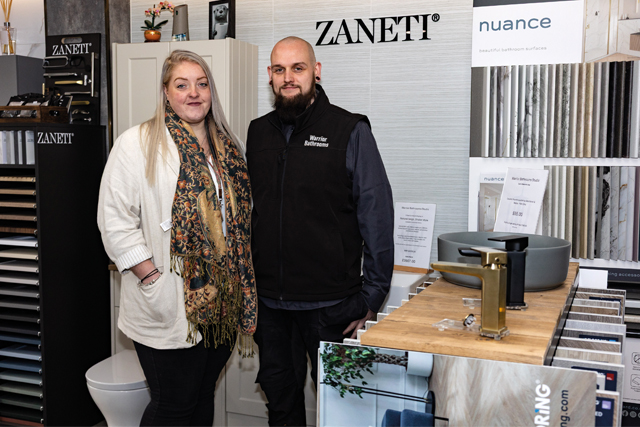
Sarah Pickard, Warrior Bathroom: Bringing a new member of staff on board was a significant step. We hadn’t expected to do it so soon, but managing the showroom, deliveries and everything else became unfeasible. Having someone else take on some of that responsibility has helped us move forward.
Charlie Braidwood, Church Farm Kitchens: Our biggest high was the first month we actually made a profit. After constantly investing and covering costs, and having a really tricky few months earlier in the year, it was great to see things turn around. Achieving that with my team was a feeling I’d never experienced before.
Tim Haddock, Artis Bathrooms: We’ve had lots of little wins, from launching a new website and brochure to building relationships with contractors. Winning a larger project was satisfying, but the icing on the cake was winning New Bathroom Retailer of the Year at the kbbreview Retail & Design Awards.
What did you expect to achieve at the start of the year, and how does that compare with where you are now?
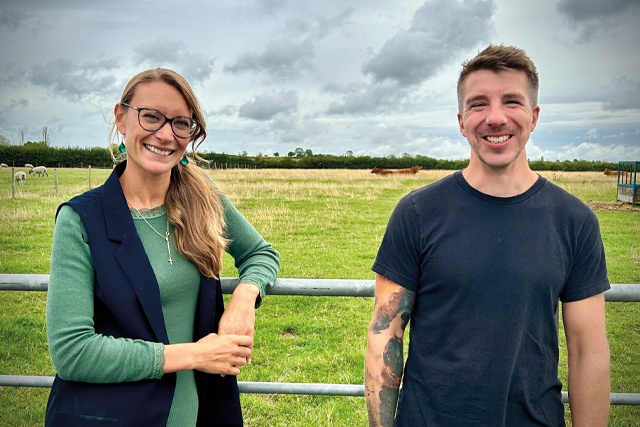
Pickard: We expected footfall to decrease once the initial excitement around our new showroom had passed. Instead, more people have come in looking for advice and support. Online enquiries have also been more about home visits, installation and design than simply supplying individual products, which has been great to see.
Braidwood: We expected the usual ups and downs, but things went worryingly quiet at the beginning of the year. Now it’s almost the opposite, with one project following another. We’re moving straight from one job to the next rather than experiencing the stop-start pattern we’d anticipated.
Haddock: We’d planned to nearly double our showroom size by expanding into the neighbouring unit, but the financial commitment meant putting that on hold. We’ve redirected our resources towards building relationships and networking instead. We still want the extra space, potentially in spring next year.
What’s the most important lesson you’ve learnt about running your business this year?
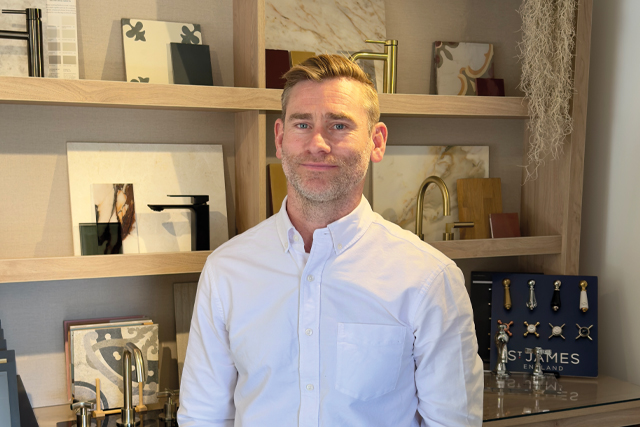
Pickard: Enjoy the quiet periods, but use them wisely. Business ebbs and flows, and different areas have different busy spells. Get jobs done while things are quieter rather than putting them off, because you never know when things will pick up again.
Braidwood: We’ve learnt to make more of what makes us different. We’d overlooked the fact that we’re based on a working farm, but customers love the environment when they visit. I’ve also learnt how important it is to take a break. We didn’t have a family holiday this year, and looking back, I should have made time for one.
Haddock: Getting systems in place and delegating to people with specialist skills is essential. When you start out, everyone does whatever needs doing, but that becomes less sustainable as you grow. We now have help with warehouse operations and logistics, freeing us to concentrate on relationships and service.
What’s surprised you most about being in business this year, and has it changed how you feel about the sector?
Pickard: The level of support from some larger suppliers still surprises me. Minimum orders and spending requirements can be difficult for small independents to meet, without much understanding of how they operate. It hasn’t changed how I feel about the sector, though. I still think it’s exciting.
Braidwood: I’ve been pleasantly surprised by how many suppliers are family-run and family-orientated. I’ve also found that a simple swing sign outside my sister’s shop has generated more enquiries than Facebook, Instagram or magazines. Sometimes less really is more.
Haddock: The after-sales service and quality control from some suppliers have been disappointing. We’re working at the higher end of the market, where products can be expensive, so you expect the service to reflect that. Some suppliers haven’t delivered the level of service we need.
What are your biggest priorities for 2027?
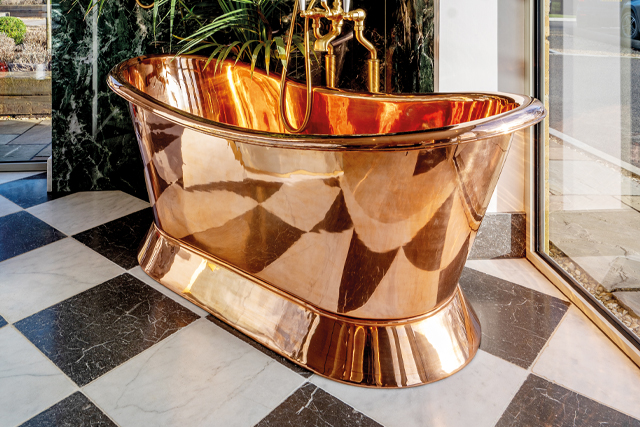
Pickard: We want to build on our customer guide, which strips away industry jargon and explains things simply. The priority is making that information available online and in the local community, helping customers approach a bathroom project with confidence. We also want to embed what we’ve built and give ourselves some breathing space.
Braidwood: I need to prioritise my time as we get busier. Helping in the workshop and on installations has given me a better understanding of how everything works, but I also need to stay on top of enquiries, designs and quotations. We’re discussing bringing someone else into the team, potentially an apprentice.
Haddock: We want to grow the team and put structures in place so the business can operate without us overseeing everything. That means learning to delegate and giving people more responsibility, freeing us to build relationships and support the team. Ultimately, we want to take a holiday without constantly checking in.
What advice would you give an independent retailer at the same stage you were 12 months ago?
Pickard: No two days are the same. Just because something hasn’t worked today doesn’t mean it won’t work tomorrow. Keep trying, because if you don’t try, you’ll never know.
Braidwood: Trust your gut instinct. People will tell you what you should be doing, but their advice won’t always be right for your business. Believe in what you’re doing, even if it takes time for things to turn around.
Haddock: Don’t give yourself too hard a time. Even successful businesses are still learning and making mistakes. I’d also tell myself to understand the day-to-day numbers, forecast cash flow and invest in the right marketing. We’ve spent very little on marketing over the past two years, but since starting to invest, we’ve already seen an increase in enquiries and footfall.